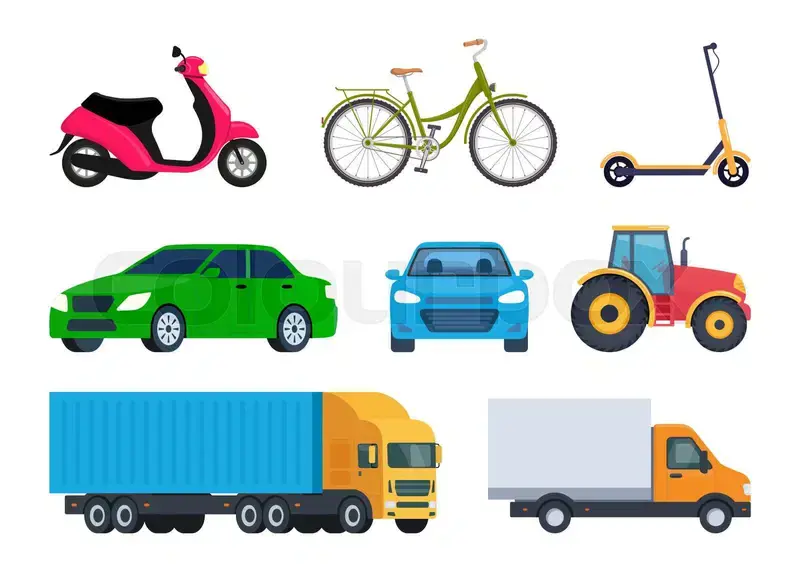
Vehicle Types & Ownership: Understanding Choices in Modern Transportation
Vehicles play a central role in modern life, enabling mobility, economic activity, and social connectivity. From personal commuting to commercial transportation, different vehicle types serve diverse purposes based on usage, capacity, technology, and ownership structure. Alongside vehicle classification, ownership models have also evolved, offering individuals and businesses multiple ways to access and use vehicles.
Understanding vehicle types and ownership options helps consumers make informed decisions that align with their needs, budget, and lifestyle. This article provides a comprehensive overview of major vehicle categories and ownership models in today’s transportation ecosystem.
Understanding Vehicle Types
Vehicles can be broadly classified based on their purpose, design, fuel type, and usage. Each category is designed to meet specific transportation requirements.
Passenger Vehicles
Passenger vehicles are designed primarily for personal and family transportation. They emphasize comfort, safety, and convenience.
Cars
Cars are the most common form of personal transport. They include hatchbacks, sedans, and sport utility vehicles. Cars are suitable for daily commuting, long-distance travel, and family use.
Two-Wheelers
Two-wheelers such as motorcycles and scooters offer affordable, fuel-efficient, and flexible mobility. They are especially popular in urban areas with heavy traffic due to their compact size and low operating cost.
Multi-Purpose Vehicles
These vehicles are designed to carry multiple passengers and luggage comfortably. They are commonly used for family travel and shared transportation.
Commercial Vehicles
Commercial vehicles are used for transporting goods or passengers for business and public services.
Light Commercial Vehicles
These include delivery vans and small trucks used for logistics, e-commerce, and local transportation.
Heavy Commercial Vehicles
Heavy trucks and buses fall under this category. They are essential for long-distance freight transport, construction activities, and public transportation systems.
Commercial vehicles are built for durability, load capacity, and operational efficiency.
Special Purpose Vehicles
Special purpose vehicles are designed for specific tasks beyond general transportation.
Examples include:
- Ambulances and fire engines
- Construction and mining vehicles
- Agricultural machinery
- Defense and emergency response vehicles
These vehicles are customized to meet specialized operational requirements.
Electric and Alternative Fuel Vehicles
With growing environmental concerns, alternative fuel vehicles have gained importance.
Electric Vehicles
Electric vehicles operate on battery power and produce zero tailpipe emissions. They are increasingly used for personal and commercial purposes due to lower operating costs and environmental benefits.
Hybrid and Alternative Fuel Vehicles
Hybrid vehicles combine conventional engines with electric motors, while alternative fuel vehicles use fuels such as compressed natural gas or biofuels. These options reduce fuel consumption and emissions.
Understanding Vehicle Ownership
Vehicle ownership refers to the legal and financial responsibility associated with possessing and using a vehicle. Ownership models have diversified in response to changing consumer behavior and economic conditions.
Private Ownership
Private ownership is the most traditional form of vehicle ownership. Individuals purchase vehicles either outright or through financing arrangements.
Advantages
- Full control over usage
- Long-term cost efficiency
- Asset ownership
Limitations
- High upfront cost
- Maintenance and insurance responsibility
- Depreciation over time
Private ownership suits individuals who require regular and long-term vehicle access.
Corporate and Commercial Ownership
Businesses often own vehicles for operational purposes such as logistics, sales, and employee transport. Commercial ownership focuses on efficiency, fleet management, and cost optimization.
This ownership model is essential for industries that rely heavily on transportation.
Leasing and Subscription Models
Leasing allows users to access vehicles for a fixed period by paying regular installments without owning the asset. Subscription models offer flexible access, often including maintenance and insurance.
Benefits
- Lower upfront costs
- Access to newer vehicles
- Reduced maintenance burden
These models are popular among urban users and businesses seeking flexibility.
Shared Ownership and Mobility Services
Shared mobility includes car-sharing, ride-sharing, and vehicle pooling services. Users pay for access rather than ownership.
Shared ownership reduces traffic congestion, lowers environmental impact, and minimizes individual ownership costs. It is particularly effective in densely populated urban areas.
Factors Influencing Vehicle Choice and Ownership
Several factors determine the choice of vehicle type and ownership model:
- Purpose of Use: Personal, commercial, or specialized
- Budget and Financing Options: Purchase cost and running expenses
- Frequency of Use: Daily use versus occasional need
- Fuel and Maintenance Costs: Long-term affordability
- Environmental Impact: Emissions and sustainability concerns
- Urban Infrastructure: Parking availability and traffic conditions
Evaluating these factors helps in selecting the most suitable option.
Legal and Financial Aspects of Ownership
Vehicle ownership involves compliance with legal and financial obligations such as registration, taxation, insurance, and regulatory standards. Proper documentation ensures lawful operation and financial protection against unforeseen events.
Ownership also involves depreciation, which affects resale value and long-term cost planning.
Changing Trends in Vehicle Ownership
Modern mobility trends are reshaping vehicle ownership patterns. Urbanization, rising costs, environmental awareness, and digital platforms have encouraged a shift from ownership to usage-based models.
Consumers increasingly prioritize convenience, flexibility, and sustainability over traditional ownership, especially in metropolitan areas.
Future of Vehicle Types and Ownership
The future of vehicles and ownership is expected to focus on:
- Electric and low-emission vehicles
- Autonomous and connected mobility
- Increased shared and subscription-based models
- Integration with smart city infrastructure
Ownership may gradually evolve into service-based mobility solutions that emphasize accessibility rather than possession.
Vehicle types and ownership models form the foundation of modern transportation systems. From personal vehicles to commercial fleets and shared mobility services, each option serves distinct needs and economic roles.
Understanding different vehicle categories and ownership structures empowers individuals and organizations to make informed mobility decisions. As technology and sustainability continue to influence transportation, flexible and efficient vehicle ownership models will shape the future of mobility worldwide.