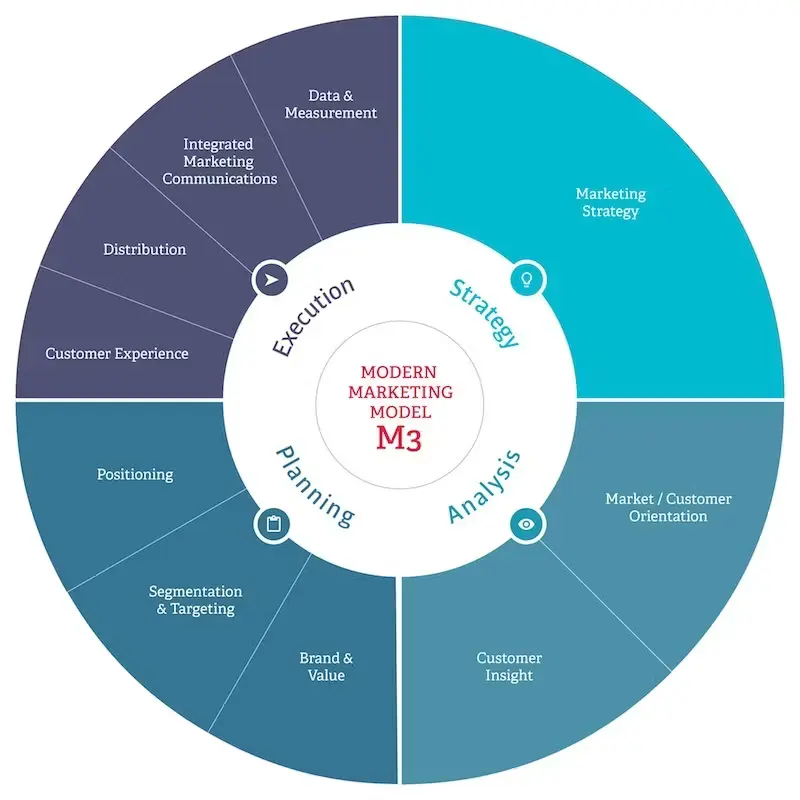
Marketing:
The Engine of Business Growth
Marketing is one of the most essential functions of any business. It connects organizations with customers by identifying needs, creating value, and delivering products or services effectively. Far more than advertising or selling, marketing is a strategic process that influences how businesses position themselves, communicate with audiences, and compete in the marketplace.
In today’s highly competitive and digital-driven economy, marketing has evolved into a dynamic discipline that combines creativity, data analysis, technology, and consumer psychology. Businesses that understand and apply effective marketing principles are better equipped to build strong brands, retain customers, and achieve sustainable growth.
Understanding Marketing
Marketing refers to the activities, processes, and strategies used to promote and deliver value to customers. Its primary objective is to satisfy customer needs profitably while achieving organizational goals.
Marketing begins long before a product is launched and continues even after a sale is completed. It involves market research, product development, pricing, distribution, promotion, and customer relationship management. At its core, marketing focuses on creating mutually beneficial relationships between businesses and consumers.
Importance of Marketing
Marketing plays a vital role in business success for several reasons:
- Customer Awareness: Introduces products and services to potential buyers
- Value Creation: Communicates benefits and differentiates offerings
- Revenue Generation: Drives sales and market demand
- Brand Building: Establishes identity, trust, and credibility
- Customer Retention: Builds long-term relationships and loyalty
Without effective marketing, even high-quality products may fail to reach their intended audience.
Core Elements of Marketing
Market Research
Market research is the foundation of marketing. It involves collecting and analyzing data about customers, competitors, and market trends. Research helps businesses understand consumer behavior, preferences, and unmet needs, enabling informed decision-making.
Product and Service Strategy
Marketing influences product design, features, and positioning. A successful product strategy ensures that offerings solve real problems and deliver value. Continuous innovation and adaptation are essential to meet changing consumer expectations.
Pricing Strategy
Pricing reflects the perceived value of a product or service. Marketing helps determine appropriate pricing based on cost, demand, competition, and customer willingness to pay. Effective pricing balances profitability with customer satisfaction.
Distribution and Place
Distribution ensures that products are available at the right place and time. Marketing strategies consider supply chains, retail channels, online platforms, and logistics to maximize accessibility and convenience.
Promotion and Communication
Promotion includes advertising, public relations, sales promotion, content marketing, and digital communication. The goal is to inform, persuade, and remind customers while maintaining consistent brand messaging.
Traditional and Modern Marketing Approaches
Traditional Marketing
Traditional marketing includes print media, television, radio, outdoor advertising, and direct mail. While its reach may be broad, it often lacks precise targeting and measurable outcomes.
Digital Marketing
Digital marketing has transformed how businesses engage with customers. It includes search engine optimization, social media marketing, email campaigns, content marketing, and online advertising.
Digital platforms enable real-time interaction, personalized messaging, and data-driven insights, making marketing more efficient and measurable.
Customer-Centric Marketing
Modern marketing emphasizes customer-centricity. Instead of focusing solely on products, businesses design marketing strategies around customer needs, experiences, and journeys.
Customer-centric marketing involves:
- Understanding customer pain points
- Delivering personalized experiences
- Providing consistent support and engagement
- Building trust and long-term relationships
Satisfied customers often become brand advocates, amplifying marketing impact through word-of-mouth
Branding and Positioning
Branding is a critical aspect of marketing that shapes how customers perceive a business. A strong brand communicates values, quality, and reliability.
Positioning defines how a brand is differentiated from competitors in the minds of consumers. Clear positioning helps businesses stand out in crowded markets and attract the right audience.
Role of Data and Analytics in Marketing
Data analytics has become a powerful tool in modern marketing. Businesses use data to measure campaign performance, understand customer behavior, and optimize strategies.
Key benefits of data-driven marketing include:
- Improved targeting and segmentation
- Better return on investment
- Real-time performance tracking
- Enhanced decision-making
Analytics ensures marketing efforts are aligned with business objectives.
Ethics and Responsibility in Marketing
Responsible marketing builds long-term trust. Ethical marketing practices involve honest communication, respect for customer privacy, and transparency.
Misleading claims, intrusive advertising, and misuse of data can damage brand reputation and customer confidence. Ethical marketing supports sustainable growth and positive social impact.
Challenges in Modern Marketing
Despite advancements, marketers face several challenges:
- Intense competition and market saturation
- Rapidly changing consumer behavior
- Information overload and short attention spans
- Keeping up with evolving technology and platforms
Addressing these challenges requires continuous learning, creativity, and adaptability.
Future of Marketing
The future of marketing is shaped by technology, personalization, and integration. Artificial intelligence, automation, and immersive experiences are redefining customer engagement.
Emerging trends include:
- Predictive and personalized marketing
- Voice and visual search optimization
- Interactive and experiential marketing
- Integration of online and offline channels
Marketing will continue to evolve as businesses seek deeper connections with customers.
Marketing is a strategic and customer-focused discipline that drives business growth and competitive advantage. By understanding consumer needs, creating value, and communicating effectively, marketing enables organizations to thrive in dynamic markets.
In an era of constant change, successful marketing requires a balance of creativity, data-driven insights, ethical practices, and adaptability. Businesses that invest in strong marketing strategies are better positioned to build lasting brands, achieve sustainable growth, and remain relevant in the modern economy.