Ethical & Cultural Shifts: Understanding the Transformation of Modern Society
Ethical and cultural shifts are reshaping societies across the world at an unprecedented pace. Driven by globalization, digital transformation, social awareness, and generational change, people are re-evaluating long-held beliefs, moral frameworks, and cultural norms. These shifts influence how individuals behave, how organizations operate, and how governments design policies.
In the modern era, ethics and culture are no longer static concepts. They evolve continuously in response to technological innovation, social movements, economic realities, and global interconnectedness. Understanding these shifts is essential for navigating personal, professional, and societal life responsibly.
Understanding Ethics and Culture
Ethics refers to principles that guide behavior by defining what is considered right, fair, and just. Culture, on the other hand, encompasses shared values, traditions, beliefs, customs, and social practices that shape collective identity.
Ethics and culture are closely interconnected. Cultural context influences ethical standards, while ethical debates often lead to cultural change. As societies evolve, ethical priorities and cultural expressions adapt to reflect new realities.
Drivers of Ethical and Cultural Shifts
Several powerful forces are accelerating ethical and cultural transformation:
- Globalization: Increased interaction between cultures promotes exchange of values and ideas
- Digital Technology: Social media and digital platforms amplify voices and challenge traditional norms
- Education and Awareness: Greater access to information encourages critical thinking
- Social Movements: Advocacy for equality, justice, and human rights reshapes moral standards
- Economic Change: New work models and consumption patterns influence cultural behavior
These drivers collectively redefine how societies perceive responsibility, identity, and progress.
Rise of Social Responsibility and Ethical Awareness
One of the most significant ethical shifts is the growing emphasis on social responsibility. Individuals and organizations are increasingly expected to act with integrity, transparency, and accountability.
Consumers now consider ethical factors such as labor practices, environmental impact, and social contribution when making decisions. Businesses are judged not only by profitability but also by how responsibly they operate within society.
This shift reflects a broader cultural movement toward purpose-driven action and long-term societal well-being.
Cultural Shift Toward Inclusion and Diversity
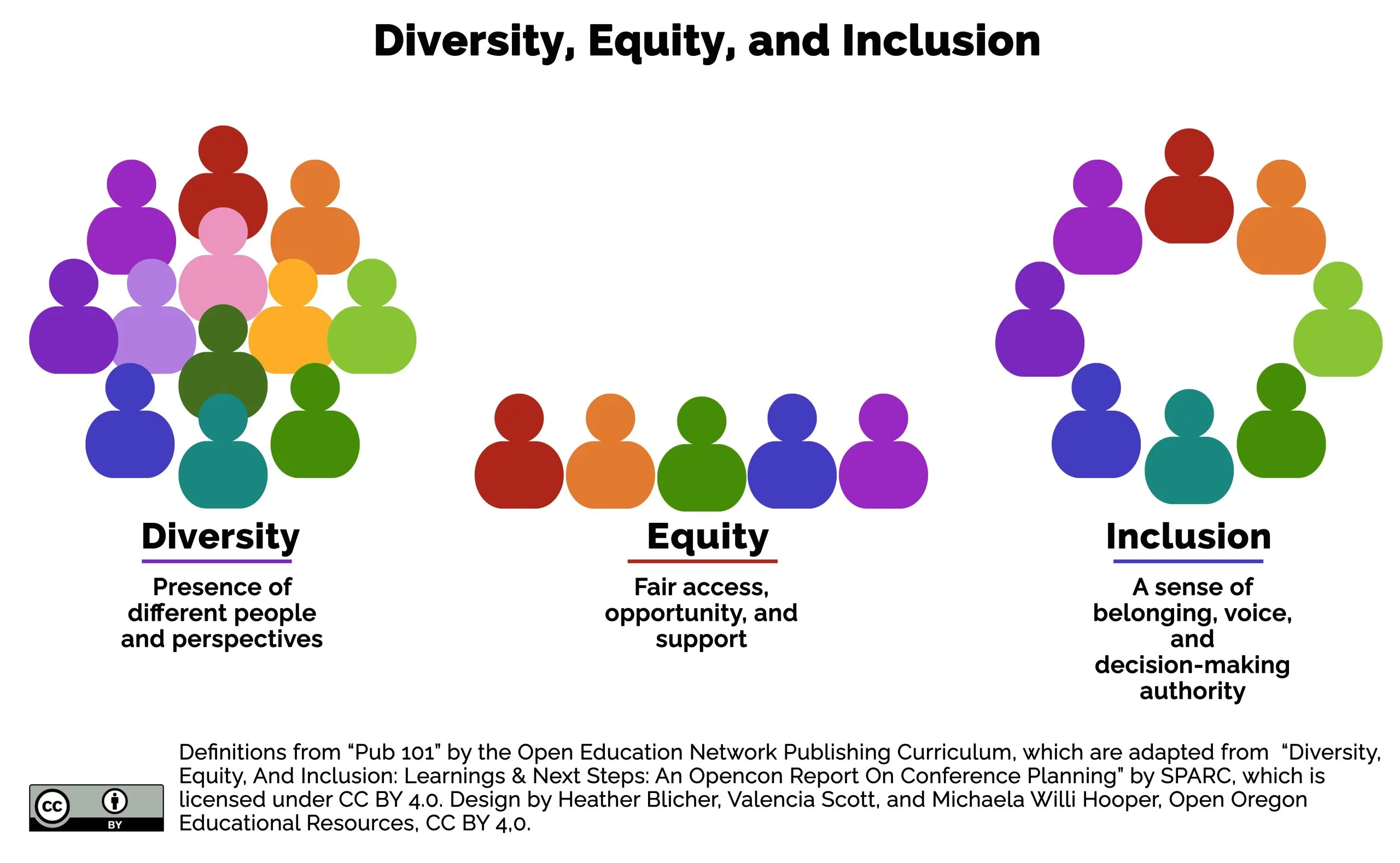
Modern culture increasingly values diversity and inclusion. Societies are recognizing the importance of respecting differences related to gender, ethnicity, religion, ability, and identity.
This cultural shift promotes:
- Equal opportunity and representation
- Respect for individual identity and expression
- Inclusive communication and leadership
- Fair treatment across social and professional spaces
Inclusion strengthens communities by encouraging empathy, collaboration, and innovation.
Changing Work Culture and Ethical Expectations
Work culture has undergone major transformation. Traditional hierarchies and rigid structures are being replaced by flexible, collaborative, and purpose-oriented environments.
Ethical expectations in the workplace now include:
- Fair compensation and work-life balance
- Psychological safety and respect
- Ethical leadership and transparency
- Responsible use of technology and data
Employees increasingly seek alignment between personal values and organizational culture.
Digital Ethics and Cultural Change
The digital age has introduced new ethical challenges that are reshaping cultural norms. Issues such as data privacy, artificial intelligence, misinformation, and online behavior demand new ethical frameworks.
Key ethical concerns include:
- Protection of personal data
- Responsible use of digital platforms
- Transparency in algorithmic decision-making
- Balancing freedom of expression with accountability
Culturally, people are becoming more aware of their digital footprint and the social impact of online actions.
Generational Influence on Ethics and Culture
Younger generations play a significant role in driving ethical and cultural change. They tend to prioritize authenticity, sustainability, inclusivity, and social justice more strongly than previous generations.
These generational values influence:
- Consumer behavior and brand loyalty
- Workplace expectations and leadership styles
- Social activism and community engagement
- Cultural expression through media and art
As generational influence grows, ethical and cultural standards continue to evolve rapidly.
Sustainability as an Ethical Imperative
Sustainability has emerged as a central ethical concern across cultures. Environmental responsibility is no longer viewed as optional but as a moral obligation toward future generations.
Cultural shifts toward sustainability include:
- Conscious consumption and minimalism
- Support for ethical and eco-friendly practices
- Awareness of climate impact
- Long-term thinking over short-term gain
This shift reflects a deeper ethical understanding of humanity’s relationship with nature.
Cultural Globalization and Ethical Balance
While globalization encourages cultural exchange, it also raises ethical questions about cultural preservation and identity. Balancing global integration with respect for local traditions is a key challenge.
Ethical globalization involves:
- Respecting cultural diversity
- Avoiding cultural appropriation
- Promoting mutual understanding
- Ensuring fair global practices
Cultural sensitivity and ethical awareness are essential in a connected world.
Challenges Arising from Ethical and Cultural Shifts
Despite progress, ethical and cultural shifts also create challenges:
- Conflicts between traditional and modern values
- Resistance to change within institutions
- Ethical dilemmas posed by rapid technology adoption
- Polarization of opinions and beliefs
Addressing these challenges requires open dialogue, education, and empathy.
Future Outlook of Ethical & Cultural Shifts
The future will likely see ethics and culture becoming more dynamic, inclusive, and globally interconnected. Ethical decision-making will increasingly influence leadership, policy, innovation, and everyday behavior.
Key future trends include:
- Stronger emphasis on ethical governance
- Greater cultural integration with respect for identity
- Responsible technology development
- Values-driven communities and organizations
Adaptability and ethical awareness will be critical skills in this evolving landscape.
Ethical and cultural shifts reflect humanity’s ongoing effort to adapt to a rapidly changing world. As societies confront new challenges and opportunities, values and norms continue to evolve toward greater responsibility, inclusivity, and awareness.
Understanding these shifts helps individuals and organizations make informed, ethical decisions that align with modern cultural expectations. In embracing ethical and cultural transformation, societies can build a more just, respectful, and sustainable future for generations to come.