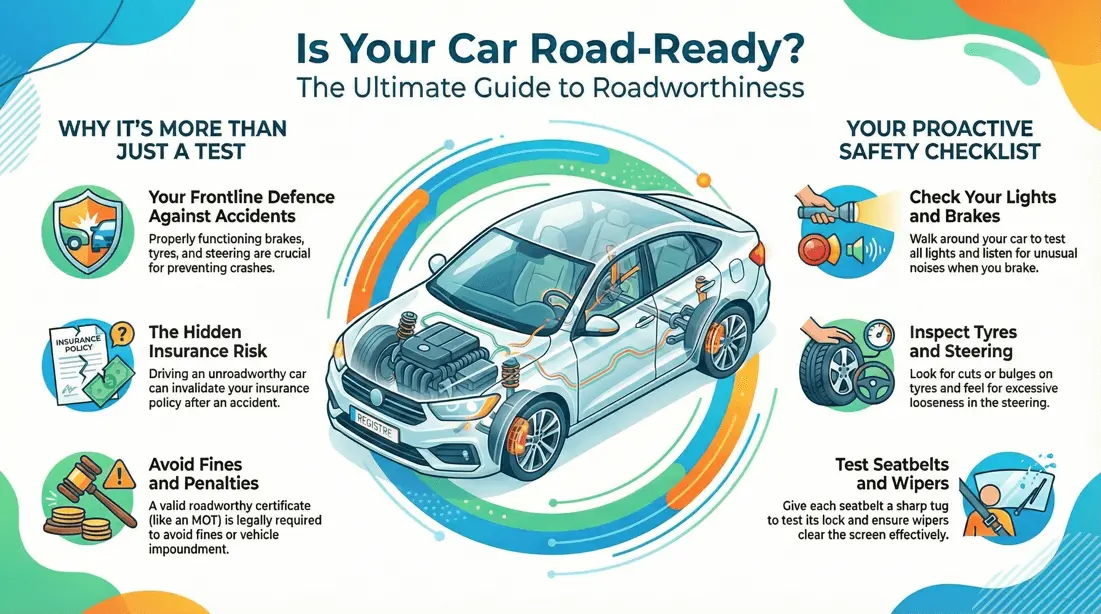
Safety and Regulation of Automotive: Ensuring Secure and Responsible Mobility
Automotive safety and regulation form the backbone of modern transportation systems. As vehicles become faster, smarter, and more technologically advanced, ensuring the safety of drivers, passengers, pedestrians, and the environment has become a critical priority. Automotive regulations provide a structured framework that governs vehicle design, manufacturing, operation, and usage, while safety measures aim to reduce accidents, injuries, and fatalities on the road.
Together, safety standards and regulatory policies promote responsible mobility, public trust, and sustainable growth of the automotive industry.
Understanding Automotive Safety
Automotive safety refers to the design features, technologies, and practices intended to minimize the risk of accidents and reduce their consequences when they occur. Safety is not limited to vehicle construction alone; it also includes road behavior, driver awareness, and environmental factors.
Modern automotive safety is broadly categorized into two areas:
- Active Safety: Prevents accidents
- Passive Safety: Reduces injury during accidents
Both play an essential role in protecting road users.
Active Safety Systems
Active safety systems are designed to prevent collisions by assisting drivers in maintaining control of the vehicle.
Key Active Safety Features
- Anti-lock Braking System (ABS): Prevents wheel lock-up during sudden braking
- Electronic Stability Control (ESC): Improves vehicle stability during sharp turns
- Traction Control Systems: Prevent wheel slip on slippery surfaces
- Advanced Driver Assistance Systems (ADAS): Includes features like lane departure warning, adaptive cruise control, and automatic emergency braking
These technologies enhance driver awareness and response time, significantly reducing accident risks.
Passive Safety Systems
Passive safety systems come into effect once an accident occurs. Their purpose is to minimize injury and protect occupants.
Key Passive Safety Features
- Seat Belts: Reduce impact force on occupants
- Airbags: Protect the head and chest during collisions
- Crumple Zones: Absorb crash energy to reduce damage
- Side-Impact Protection: Reinforces doors and vehicle structure
Continuous improvements in passive safety have contributed to a steady decline in fatal injuries despite increasing vehicle numbers.
Importance of Automotive Safety Regulations
Automotive safety regulations establish mandatory standards that manufacturers must follow before vehicles are allowed on public roads. These regulations ensure consistency, reliability, and minimum safety performance across all vehicles.
Key objectives of automotive regulations include:
- Protecting human life
- Reducing road accidents and injuries
- Ensuring vehicle quality and reliability
- Promoting environmental responsibility
- Enhancing public confidence in transportation systems
Without regulation, safety standards would vary widely, increasing risks for road users.
Vehicle Safety Standards
Vehicle safety standards define technical and performance requirements related to design, construction, and testing.
Common Areas Covered by Standards
- Structural strength and crashworthiness
- Braking efficiency and steering control
- Lighting and visibility systems
- Tire performance and durability
- Occupant protection and restraint systems
Vehicles must undergo rigorous testing and certification before entering the market to ensure compliance with these standards.
Crash Testing and Certification
Crash testing is a critical component of automotive safety regulation. Vehicles are tested under controlled conditions to evaluate how they perform during frontal, side, and rollover collisions.
Crash test results help:
- Identify structural weaknesses
- Improve vehicle design
- Inform consumers about safety performance
Safety ratings derived from these tests guide buyers in choosing safer vehicles and encourage manufacturers to improve standards.
Road Safety Laws and Enforcement
Automotive safety is closely linked to road safety laws that regulate how vehicles are used.
Key Road Safety Regulations
- Speed limits and traffic rules
- Mandatory use of seat belts and helmets
- Restrictions on impaired and distracted driving
- Licensing and driver training requirements
- Periodic vehicle inspections
Effective enforcement of these laws is essential to reduce accidents caused by human error, which remains a leading cause of road incidents.
Environmental and Emission Regulations
Modern automotive regulations extend beyond safety to include environmental protection. Emission standards limit pollutants released by vehicles to reduce air pollution and health risks.
Environmental regulations promote:
- Fuel efficiency
- Adoption of electric and hybrid vehicles
- Reduction of greenhouse gas emissions
These measures contribute to sustainable mobility while indirectly enhancing public health and safety.
Role of Manufacturers in Safety Compliance
Automotive manufacturers are responsible for integrating safety features and ensuring regulatory compliance throughout the vehicle lifecycle. This includes design, testing, production, and post-sale support.
Manufacturers must also:
- Conduct recalls for safety defects
- Provide safety-related updates and improvements
- Maintain transparency with regulators and consumers
Compliance failures can lead to legal penalties, reputational damage, and financial losses.
Challenges in Automotive Safety and Regulation
Despite advancements, several challenges persist:
- Rapid technological change outpacing regulations
- High costs of safety innovation
- Variations in regulations across regions
- Ensuring compliance in emerging markets
Balancing innovation, affordability, and safety remains a complex task for policymakers and manufacturers.
Future Trends in Automotive Safety Regulation
The future of automotive safety and regulation is shaped by emerging technologies and changing mobility patterns.
Key trends include:
- Regulations for autonomous and semi-autonomous vehicles
- Cybersecurity standards for connected vehicles
- Stricter safety and emission norms
- Integration of artificial intelligence in safety systems
Regulatory frameworks are expected to evolve continuously to address new risks and opportunities.
Safety and regulation are fundamental pillars of the automotive industry. Through advanced safety technologies, strict regulatory standards, and effective enforcement, the automotive ecosystem aims to protect lives and promote responsible mobility.
As vehicles become more intelligent and interconnected, the importance of robust safety regulations will only increase. A strong commitment to automotive safety and regulation ensures not only safer roads but also sustainable growth and public confidence in the future of transportation.