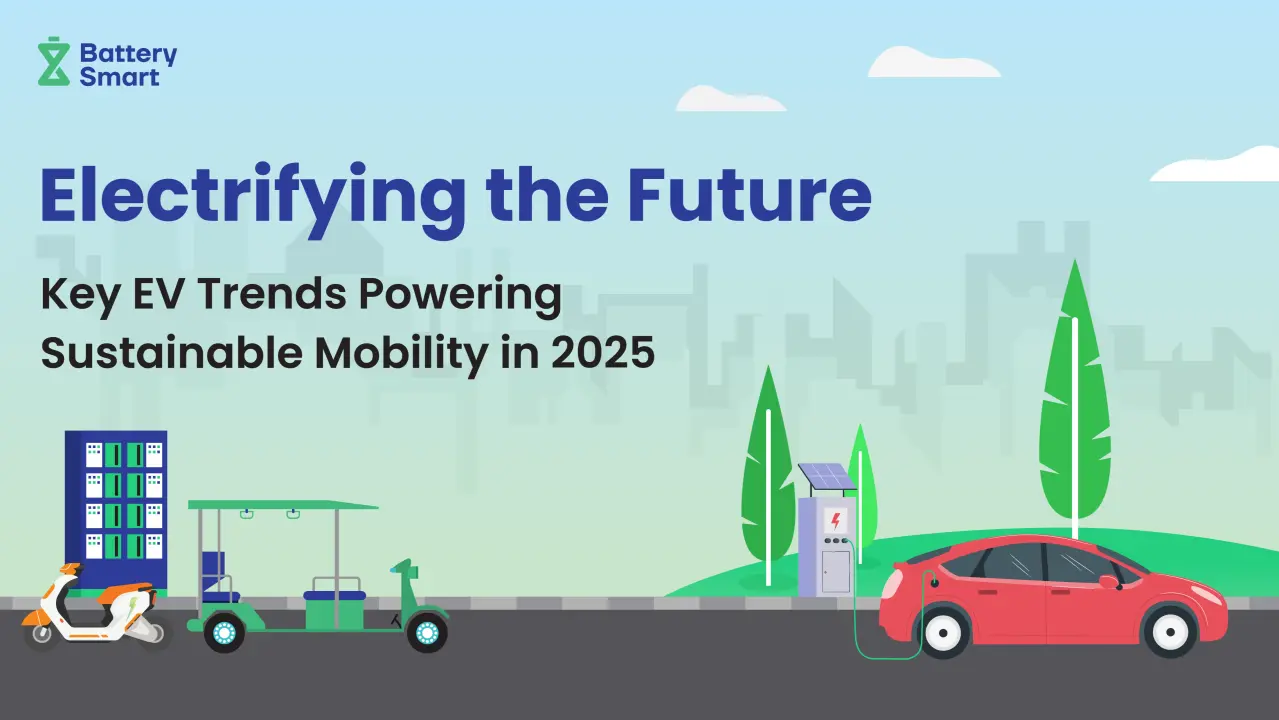
Sustainability and Electrification: Transforming Transportation for a Greener Future
Sustainability and electrification have become central themes in the global transition toward cleaner, more responsible mobility. As concerns over climate change, air pollution, and resource depletion intensify, governments, industries, and consumers are rethinking how transportation systems are designed and powered. Electrification, combined with sustainable practices, offers a long-term solution to reduce environmental impact while supporting economic growth and technological innovation.
The shift toward sustainable and electric mobility is not merely a technological upgrade; it represents a fundamental transformation in how energy is produced, consumed, and managed within the transportation ecosystem.
Understanding Sustainability in Transportation
Sustainability in transportation focuses on meeting present mobility needs without compromising the ability of future generations to meet theirs. It involves reducing environmental harm, improving energy efficiency, and promoting social and economic balance.
Key objectives of sustainable transportation include:
- Lower greenhouse gas emissions
- Reduced dependence on fossil fuels
- Efficient use of natural resources
- Improved air quality and public health
- Long-term economic viability
Sustainability requires a holistic approach that integrates vehicle technology, energy sources, infrastructure, and policy frameworks.
What Is Electrification?
Electrification refers to the replacement of conventional internal combustion engine systems with electric powertrains. Electric vehicles use electric motors powered by batteries or other energy storage systems instead of relying solely on petrol or diesel engines.
Electrification plays a critical role in sustainability by:
- Eliminating tailpipe emissions
- Increasing energy efficiency
- Enabling integration with renewable energy sources
- Reducing noise pollution
It is a cornerstone of modern strategies aimed at decarbonizing the transportation sector.
Types of Electrified Vehicles
Battery Electric Vehicles (BEVs)
Battery electric vehicles operate entirely on electricity stored in rechargeable batteries. They produce zero tailpipe emissions and are considered the cleanest form of road transport when powered by renewable energy.
Hybrid Electric Vehicles (HEVs)
Hybrid vehicles combine internal combustion engines with electric motors to improve fuel efficiency and reduce emissions. They are often seen as a transitional solution toward full electrification.
Plug-in Hybrid Electric Vehicles (PHEVs)
Plug-in hybrids allow external charging and offer limited electric-only driving, reducing fuel consumption for short trips while retaining longer-range capability.
Electric Commercial and Public Transport Vehicles
Electrification is expanding beyond personal vehicles to buses, delivery vans, and freight vehicles, contributing significantly to emission reduction in urban areas.
Environmental Benefits of Electrification
Electrification supports sustainability by addressing some of the most pressing environmental challenges associated with transportation.
Reduction in Emissions
Electric vehicles eliminate tailpipe emissions of carbon dioxide and harmful pollutants, improving air quality and reducing climate impact.
Energy Efficiency
Electric motors are significantly more efficient than combustion engines, converting a higher percentage of energy into motion.
Integration with Renewable Energy
Electric mobility enables the use of renewable energy sources such as solar and wind, further lowering the carbon footprint of transportation.
Economic and Social Impact
Sustainability and electrification also bring economic and social benefits:
- Lower Operating Costs: Electric vehicles typically have lower fuel and maintenance expenses
- Energy Security: Reduced reliance on imported fossil fuels
- Job Creation: Growth in battery manufacturing, charging infrastructure, and clean energy sectors
- Improved Urban Living: Reduced noise and air pollution enhance quality of life
These benefits make electrification an attractive option for both developed and emerging economies.
Role of Infrastructure in Electrification
Infrastructure development is essential for successful electrification. Charging networks, power grids, and energy storage systems must expand alongside electric vehicle adoption.
Key infrastructure elements include:
- Public and private charging stations
- Fast-charging corridors for long-distance travel
- Smart grids to manage electricity demand
- Integration with renewable energy systems
Reliable infrastructure increases consumer confidence and accelerates the transition to electric mobility.
Challenges to Sustainability and Electrification
Despite progress, several challenges remain:
- High Initial Costs: Electric vehicles and batteries can be expensive
- Charging Accessibility: Limited infrastructure in some regions
- Battery Production Impact: Mining and disposal raise environmental concerns
- Grid Capacity: Increased electricity demand requires grid upgrades
Addressing these challenges requires innovation, investment, and supportive policies.
Policy and Regulatory Support
Governments play a vital role in promoting sustainability and electrification through policies and incentives. Measures such as subsidies, tax benefits, emission standards, and research funding encourage adoption and innovation.
Regulatory frameworks also ensure that electrification aligns with safety, environmental, and energy goals, supporting a balanced transition.
Technological Innovation and the Future
Advancements in battery technology, energy storage, and power electronics continue to improve vehicle range, charging speed, and affordability. Emerging solutions such as solid-state batteries, vehicle-to-grid systems, and smart energy management are expected to further enhance sustainability.
Electrification is also closely linked with digital technologies, enabling intelligent energy use, predictive maintenance, and optimized mobility systems.
Long-Term Vision for Sustainable Mobility
Sustainability and electrification extend beyond individual vehicles to the entire mobility ecosystem. Integrated solutions such as shared electric transport, smart cities, and multimodal mobility systems will define the future of transportation.
The long-term vision emphasizes:
- Clean energy-powered mobility
- Efficient and inclusive transportation systems
- Reduced environmental footprint
- Balanced economic growth
Sustainability and electrification are reshaping the future of transportation by addressing environmental challenges while unlocking new economic and technological opportunities. Electrified mobility, supported by sustainable practices and infrastructure, offers a practical pathway toward reducing emissions, conserving resources, and improving quality of life.
As innovation accelerates and adoption expands, sustainability and electrification will remain at the heart of clean mobility strategies. Embracing this transition today is essential for building a resilient, efficient, and environmentally responsible transportation system for the future.