Automotive Industry: Driving Innovation and Mobility
The automotive industry is one of the most influential and dynamic sectors in the global economy. It encompasses the design, development, manufacturing, marketing, and maintenance of motor vehicles, including cars, trucks, buses, and two-wheelers. Beyond transportation, the automotive sector plays a critical role in employment generation, technological advancement, infrastructure development, and economic growth.
Over the years, the industry has evolved significantly, shifting from purely mechanical systems to advanced, technology-driven mobility solutions. Today, the automotive sector stands at the intersection of engineering, digital innovation, sustainability, and consumer experience.
Understanding the Automotive Sector
The automotive industry includes a wide range of participants such as vehicle manufacturers, component suppliers, dealerships, service providers, and technology firms. It operates through complex global supply chains and relies heavily on innovation to remain competitive.
Traditionally, the focus was on performance, durability, and cost efficiency. However, modern automotive development now emphasizes safety, fuel efficiency, connectivity, and environmental responsibility. Changing consumer preferences and regulatory standards have reshaped how vehicles are designed and produced.
Evolution of the Automotive Industry
The automotive journey began with simple internal combustion engine vehicles that transformed personal mobility. Mass production techniques later made vehicles affordable to a wider population, revolutionizing transportation and urban development.
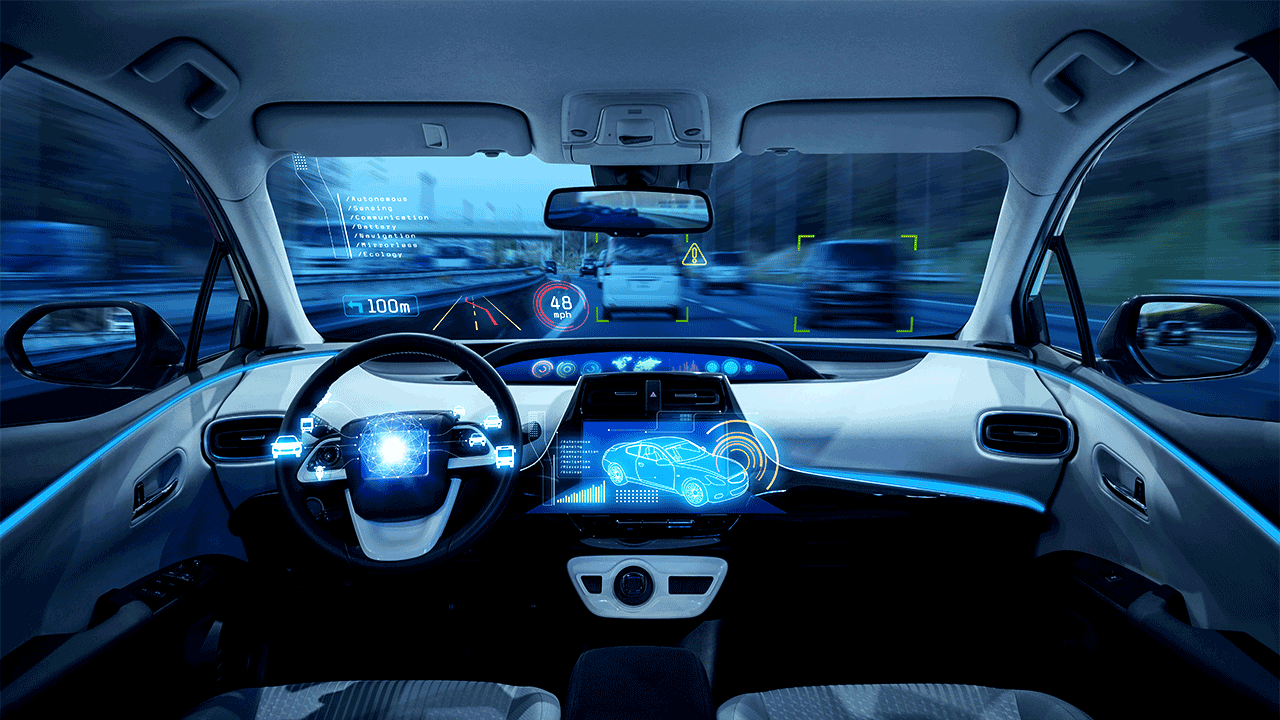
In recent decades, rapid advancements in electronics, materials science, and software have transformed vehicles into intelligent systems. Features such as advanced driver assistance systems, digital dashboards, and smart connectivity have become standard expectations rather than luxury additions.
Key Segments of the Automotive Industry
Passenger Vehicles
Passenger cars form the largest segment of the automotive market. They are designed for personal and family transportation, with growing emphasis on comfort, safety, and fuel efficiency. Hatchbacks, sedans, and sport utility vehicles dominate this category.
Commercial Vehicles
Commercial vehicles include trucks, buses, and delivery vans used for logistics, public transport, and industrial purposes. This segment plays a vital role in trade, supply chains, and economic activity.
Two-Wheelers and Three-Wheelers
In many regions, two-wheelers and three-wheelers are essential for affordable and efficient transportation. They offer cost-effective mobility and are increasingly adopting electric and fuel-efficient technologies.
Automotive Components and Aftermarket
This segment includes engines, transmissions, braking systems, electronics, and replacement parts. The aftermarket supports vehicle maintenance, repair, and customization throughout a vehicle’s lifecycle.
Technological Advancements in Automotive
Electrification
Electric vehicles represent one of the most significant transformations in the automotive industry. By reducing dependence on fossil fuels, electrification supports environmental sustainability and energy efficiency. Advancements in battery technology, charging infrastructure, and energy management continue to accelerate adoption.
Autonomous and Assisted Driving
Automation is reshaping vehicle safety and driving experience. Advanced driver assistance systems such as adaptive cruise control, lane keeping, and collision avoidance enhance road safety and reduce human error. Autonomous driving technologies aim to further transform mobility in the future.
Connected Vehicles
Modern vehicles are increasingly connected through digital platforms. Connectivity enables real-time navigation, remote diagnostics, software updates, and integration with smart devices. Connected cars enhance convenience, safety, and user experience.
Lightweight Materials and Design
Automakers are using advanced materials such as aluminum, composites, and high-strength steel to reduce vehicle weight while maintaining safety. Lightweight design improves fuel efficiency and performance.
Sustainability and Environmental Impact
The automotive industry faces growing pressure to reduce emissions and environmental impact. Stricter regulations and rising environmental awareness have pushed manufacturers to adopt cleaner technologies and sustainable manufacturing practices.
Efforts include:
- Development of electric and hybrid vehicles
- Improved fuel efficiency
- Use of recyclable materials
- Reduction of manufacturing waste and emissions
Sustainability is no longer optional but a strategic priority for long-term industry survival.
Consumer Trends and Changing Preferences
Modern consumers expect more than basic transportation. Key trends influencing automotive demand include:
- Preference for fuel-efficient and electric vehicles
- Demand for advanced safety features
- Growing interest in connected and smart vehicles
- Shift toward shared mobility and subscription models
Manufacturers must adapt quickly to changing expectations to remain competitive.
Challenges Facing the Automotive Industry
Despite innovation, the automotive sector faces several challenges:
- Supply chain disruptions and material shortages
- High research and development costs
- Regulatory compliance and safety standards
- Transition costs toward electric and autonomous technologies
- Market competition and price pressure
Addressing these challenges requires strategic planning, collaboration, and continuous innovation.
Role of the Automotive Industry in Economic Growth
The automotive sector contributes significantly to industrial output, exports, and employment. It supports numerous allied industries such as steel, electronics, software, logistics, and energy.
Investment in automotive manufacturing and technology stimulates economic development, infrastructure expansion, and skill generation.
Future of the Automotive Industry
The future of automotive lies in sustainable, intelligent, and user-centric mobility. Electric vehicles, autonomous driving, artificial intelligence, and smart infrastructure will redefine how people and goods move.
Mobility is expected to shift from ownership-based models to service-based solutions, emphasizing efficiency, accessibility, and environmental responsibility.
The automotive industry is undergoing one of the most transformative phases in its history. From mechanical machines to intelligent mobility systems, the sector continues to evolve in response to technological progress, environmental concerns, and consumer expectations.
As innovation accelerates, the automotive industry will remain a key driver of economic growth and societal development. Understanding its fundamentals, trends, and challenges provides valuable insight into the future of global mobility and transportation.